Take a visit to our colonial sister city as it throws a 250th birthday party for the nation
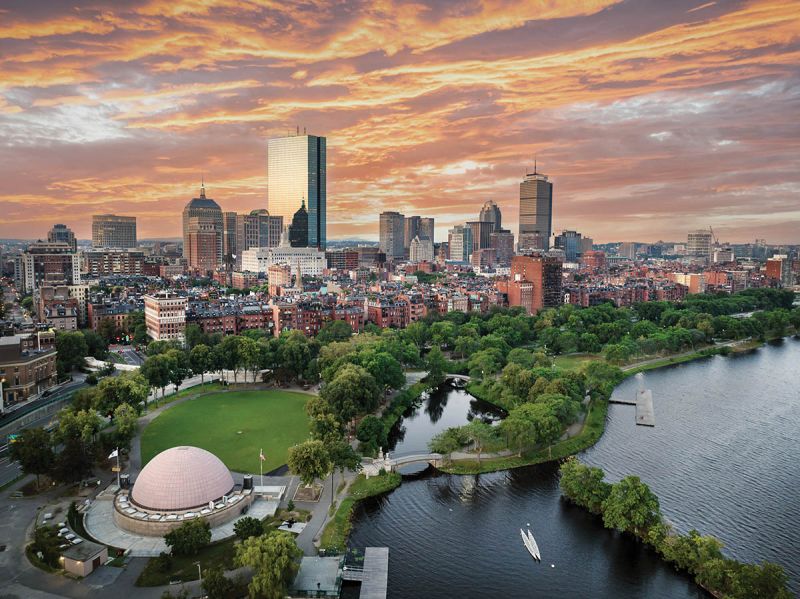


Since Colonial times, Charleston and Boston have been informal sister cities, connected by the would-be nation’s first postal route, the King’s Highway, and united by the patriots’ shared appetite for sparring with the British. As the country gears up to celebrate its 250th birthday this summer, the two are aligned once again, sharing the spotlight for their pivotal roles in the American Revolution. The US Semiquincentennial Commission, America250, has recognized Charleston and Boston as two of four “leading cities” in the nationwide commemoration—an acknowledgment of their crucial militia rebellions and military engagements and a tribute to each city’s commitment to preserving the stories, sites, and relics of the era.
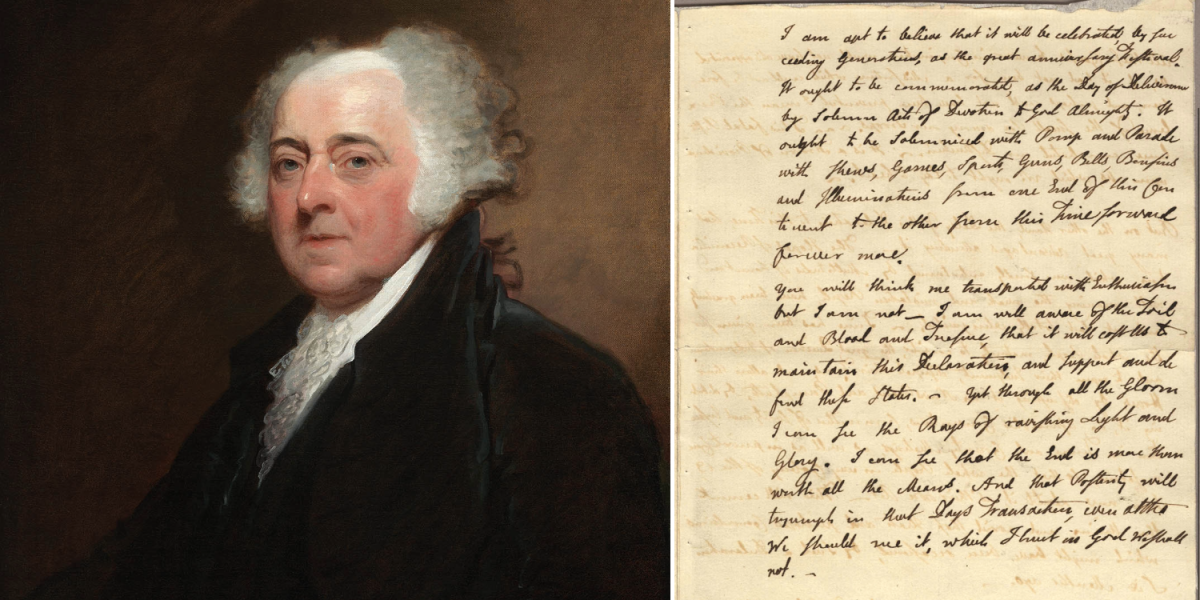
Celebrating self-determination has been a Massachusetts pastime since the country began. On July 3, 1776, John Adams wrote in a letter to his wife, Abigail, that he believed the signing of the Declaration ought to be commemorated, “with Pomp and Parade, with Shews, Games, Sports, Guns, Bells, Bonfires, and Illuminations....” Boston has long lived up to that vision. In 1783, the city became the country’s first to designate the Fourth of July as an official holiday, and this summer, Boston250 organizers are poised to pomp, parade, and party like never before—a prime opportunity to head north and explore that historic bond. While in 1776 it took weeks of galloping the King’s Highway to deliver copies of the Declaration to Massachusetts and South Carolina, now it’s just a two-and-a-half-hour nonstop from Charleston to Boston—no horses required. So pack your walking shoes and your patriot spirit: here are the Boston250 highlights worth the trip.
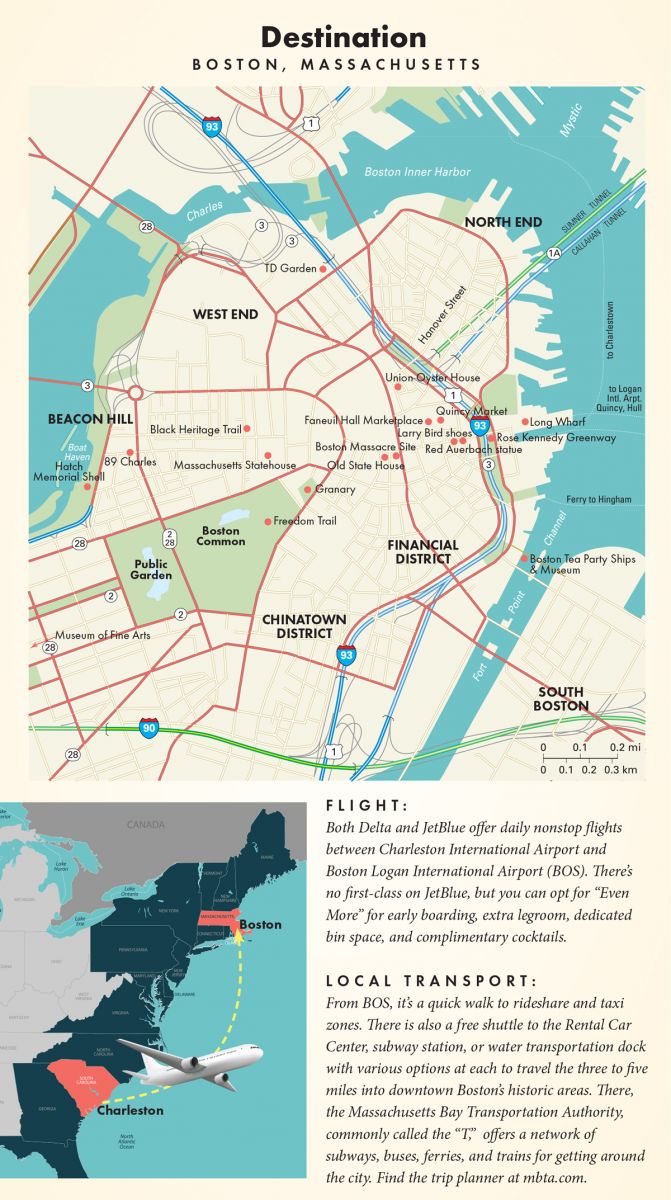
Boston’s rush-hour traffic and notoriously short-tempered drivers make it clutch that the city consistently ranks among the nation’s most walkable. A peninsula with wide, sidewalk-lined thoroughfares connecting its neighborhoods, “Boston Proper,” as the historic core is known, is pleasantly compact. From the inner harbor at the north end, down through Back Bay toward Kenmore Square, it’s about three miles to Fenway Park.
If you prefer to get around on wheels, several trolley companies offer hop-on, hop-off tickets with narrated historic tours. But the Commonwealth Avenue Mall—a tree- and bench-lined boulevard that Winston Churchill called the “grandest avenue in America”—is best experienced on foot. It’s the most scenic route to Fenway to see the Red Sox play (around here, “damn Yankees” refers to the team from New York) and is fitting for the semiquincentennial: the mall features the Women’s Memorial with QR code-enabled “talking” statues. Two of them honor Abigail Adams, the nation’s second first lady, and Phyllis Wheatley, a formerly enslaved woman who became the “Poet Laureate of the Revolution.”
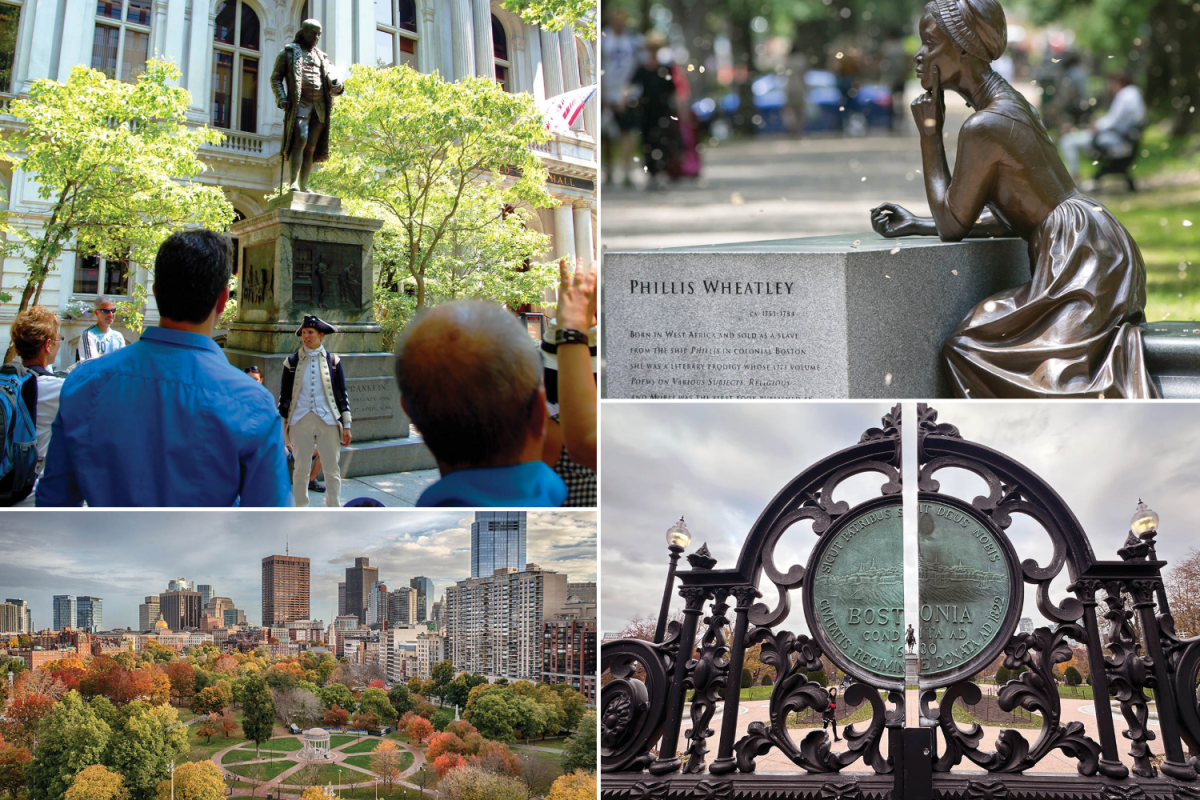
The “grandest avenue” leads to the Boston Public Garden at the city’s center. The botanical showpiece—known for its swan boats and Make Way for Ducklings fame—merits a visit. Just a short block away, many guided history tours begin at the Boston Common. America’s first public park, the 44-acre “trayning ground” where more than 1,000 Redcoats camped in 1775, remains a splendid green space and gateway to iconic neighborhoods, notably Back Bay and Beacon Hill with their Victorian brownstones and Federalist rowhouses. The Common is also a starting point for the Freedom Trail, the red-brick path set into city sidewalks that leads to 16 of the most historically significant sites of the Revolution.
The Freedom Trail winds 2.5 miles through downtown, the North End, and Charlestown, threading together renowned landmarks—the Granary Burying Ground, Paul Revere House Museum, Old South Meeting House, and the like—as well as the culture, charm, and characters that make Boston Boston. You can knock out the highlights in a couple of hours or spend days digging deeper. Along the way, make your way to the Omni Parker House Hotel, birthplace of the Boston cream pie in 1856, where you can still order a slice, or perhaps try a martini version, after 4 p.m. at its cozy cocktail bar, The Last Hurrah.
With its prominent gold dome perched above the Common, the current Statehouse is easy to spot; Oliver Wendell Holmes once called it “the hub of the solar system,” giving rise to Boston’s nickname, the Hub. From here, it’s a pleasant walk among gas lanterns and cobblestone streets to Beacon Hill, where the Museum of African American History is presenting a special exhibit, “Black Voices of the Revolution: Liberty, Emancipation, and the Struggle for Independence,” that runs through the year.
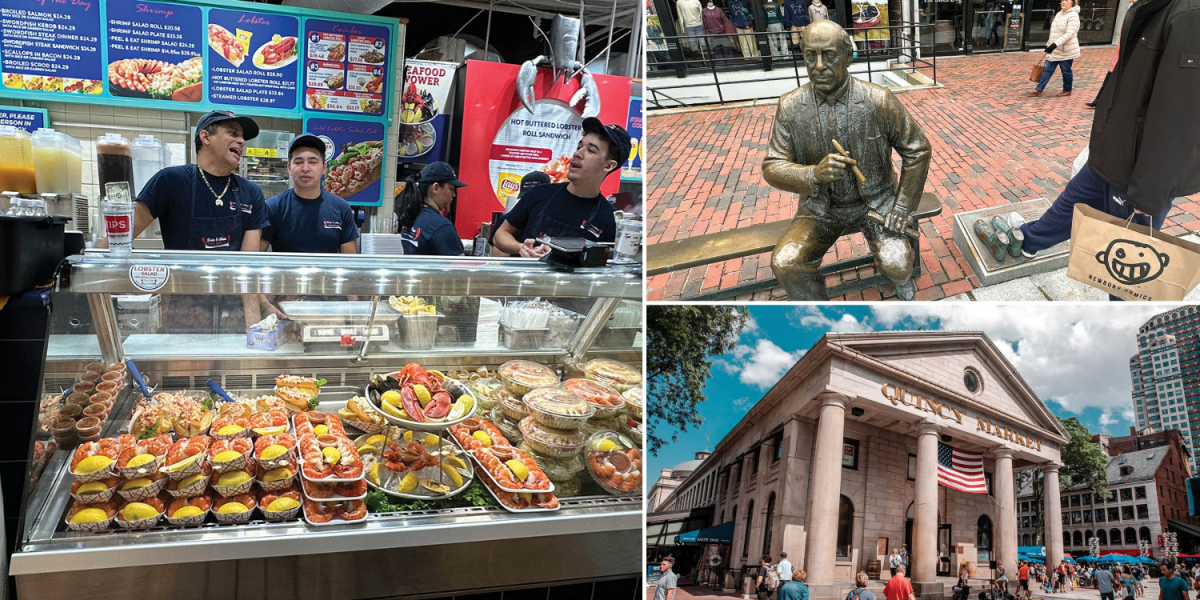
To hone in on the 250 experience, make sure one of your Freedom Trail stops is the Old State House. Built in 1713, the brick beauty is the oldest surviving public building in Boston. Its second-floor balcony, set beneath the iconic gold lion and unicorn, is the platform from which Bostonians first heard that the Second Continental Congress had unanimously adopted the Declaration of Independence. The morning of each July Fourth, an impassioned reading of the Declaration takes place here. Step inside the museum to see authentic Revolutionary-era arms and ammunition, smell Sugar Act–taxed molasses, and stand in the former seat of colonial government. Afterward, grab a bite or drink at nearby Faneuil Hall Marketplace or Quincy Market: enjoy a lobster roll at James Hook & Co., a slice from Regina Pizzeria, or a craft cocktail at the Faneuil Hall Beer Garden, all steps from the Old State House.
In 1777, on the first anniversary of the signing of the Declaration of Independence, Colonel Thomas Crafts, a Son of Liberty, set off fireworks over Boston Common. In 1929, Maestro Arthur Fiedler debuted what became the Boston Pops Fireworks Spectacular. Now staged at the Hatch Memorial Shell on the Esplanade, the pyrotechnics light up the sky over the Charles River at around 9:40 p.m. on the Fourth, synchronized with the final songs of a free outdoor concert that runs from 7 to 10 p.m. Broadcast and streamed around the world, the Independence Day Pops performance gets top billing as a 250 celebration centerpiece this summer.
Red-white-and-blue skyrockets will also fly on the evening of July 2 from Long Wharf, the historically bustling pier where John Hancock conducted his maritime business and British forces landed in 1768 to occupy the city. It’s the finale to Harborfest’s opening ceremonies, which kicks off a weekend-long celebration of Boston Harbor’s pivotal role in the American Revolution. With family-friendly activities, roving reenactors, live performances, and free concerts, this massive birthday party for the USA takes place at Downtown Crossing and at Christopher Columbus Waterfront Park in the North End.
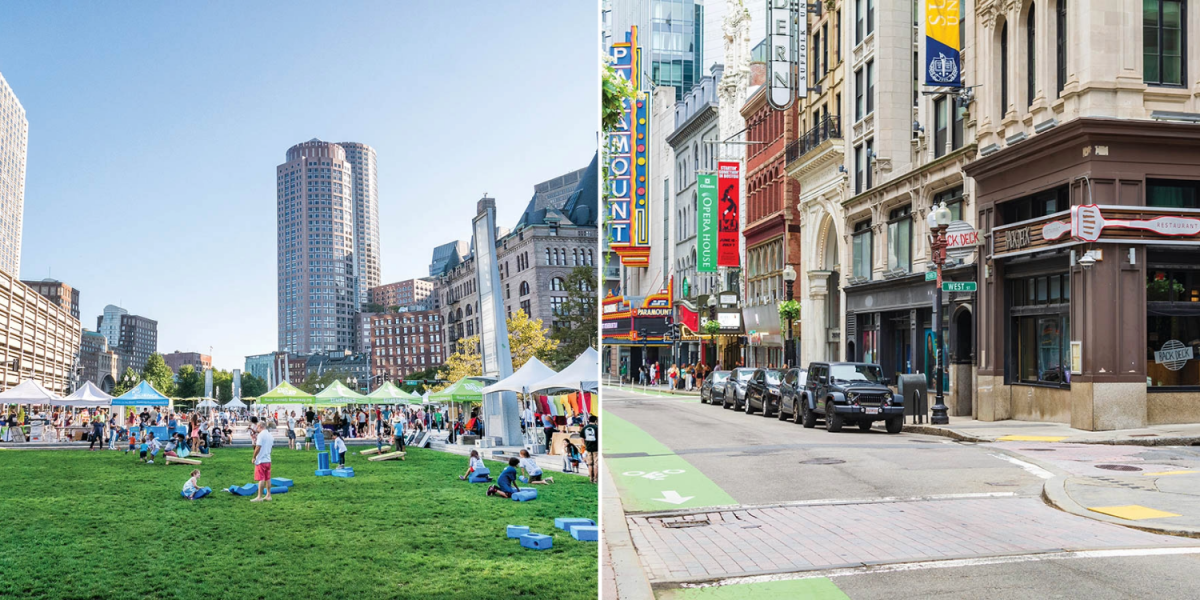
Another highlight of Harborfest weekend is an open-air artisan market on the Rose Kennedy Greenway. Arguably the best thing to come out of Boston’s 16-year Big Dig road-construction project, the former Southeast Expressway became a 17-acre, mile-and-a-half-long horticultural heaven, with nearly 900 trees set amid plazas and fountains. Named for JFK’s mother who grew up down the street, the Greenway also serves as a well-curated, ever-changing public art gallery and partners with Everyone 250 to make history, art, and community visible and inclusive.
Just a few miles west, the Museum of Fine Arts Boston, which opened on the centennial in 1876, offers a different kind of celebration. Its Art of the Americas wing has been reimagined for the semiquincentennial with “America at 250,” an exhibition showcasing works by artists—free and enslaved, Indigenous and immigrant—that explore nationhood, identity, and resistance. Here, visitors can admire Paul Revere’s Liberty Bowl and take in The Passage of the Delaware, the famous depiction of Washington on horseback by portraitist Thomas Sully, who grew up and learned to paint in Charleston.
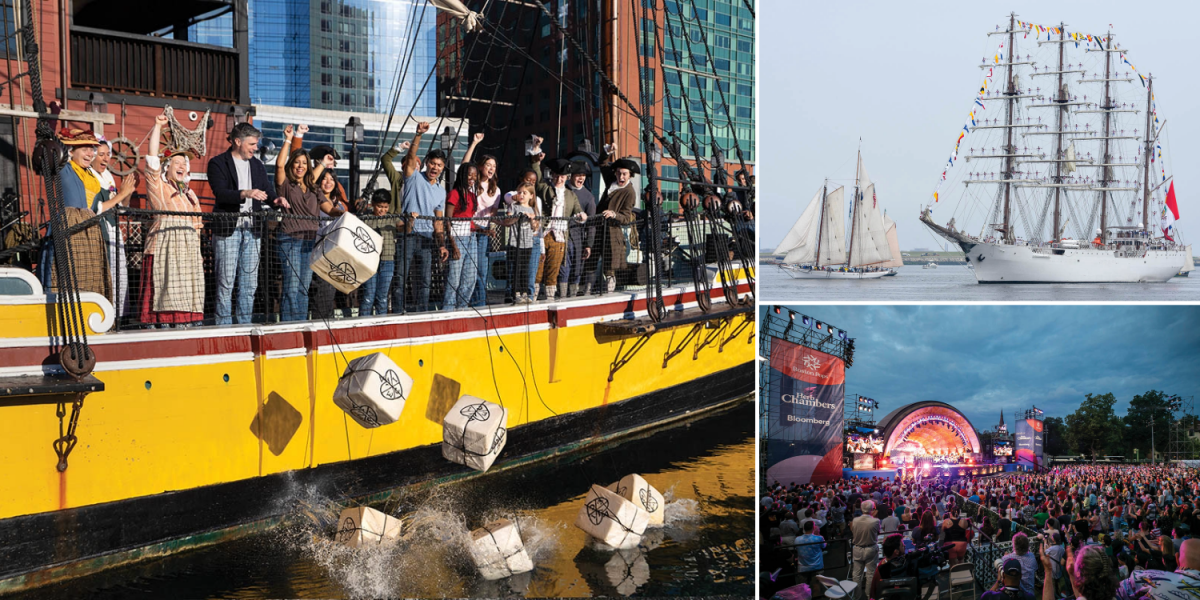
The Tall Ships are coming to five American cities for Sail250, and Boston will be the grand finale for this epic gathering of international vessels. Highlights include the Parade of Sail on July 11, followed by public tours of the ships, docked at various berths around the inner harbor through July 16. Prime spots to watch the flotilla include Castle Island, the Seaport District, the Boston Waterfront, East Boston, the North End, and Charlestown.
For a hands-on experience, board a perfect replica of an 18th-century frigate at The Boston Tea Party Ships and Museum. Actors bring history to life as you embark on a technology-driven, multisensory journey back to 1773. At Griffin’s Wharf, you can even reenact the rebellious act that sparked the Boston Tea Party—in the very waters where it actually happened.
Whether you’re a history buff or want to have a blast in the name of life and liberty, Boston is poised to deliver this summer. During the rebellion revelry, remember the words of John Adams, who led the charge and noted, “The People should never rise, without doing something to be remembered.”
Plan ahead and make the most of Boston’s semiquincentennial festivities with these official resources: